When it comes to winter hiking, there are three main types of traction devices that you can use: crampons, microspikes, and snowshoes. Each type of traction device has its own advantages and disadvantages, so it's important to choose the right one for the conditions you'll be hiking in.
Crampons
Crampons are the most aggressive type of traction device. They have long metal spikes that dig into hard ice and snow, providing excellent grip. Crampons are typically used for mountaineering, ice climbing, and other technical activities. They can also be used for winter hiking on steep, icy trails.
Advantages of crampons:
Excellent traction on hard ice and snow
Can be used on steep terrain
Disadvantages of crampons:
Can be bulky and difficult to put on and take off
Can damage trails
Not necessary for most winter hiking trails
Microspikes
Microspikes are less aggressive than crampons, but they still provide good traction on ice and packed snow. Microspikes have small metal spikes or coils that grip the surface. Microspikes are typically used for winter hiking on moderate to steep terrain. They can also be used for running on icy sidewalks or trails.
Advantages of microspikes:
Good traction on ice and packed snow
Lightweight and easy to put on and take off
Less likely to damage trails than crampons
More versatile than crampons
Disadvantages of microspikes:
Not as good traction on hard ice as crampons
Not suitable for very steep terrain
Snowshoes
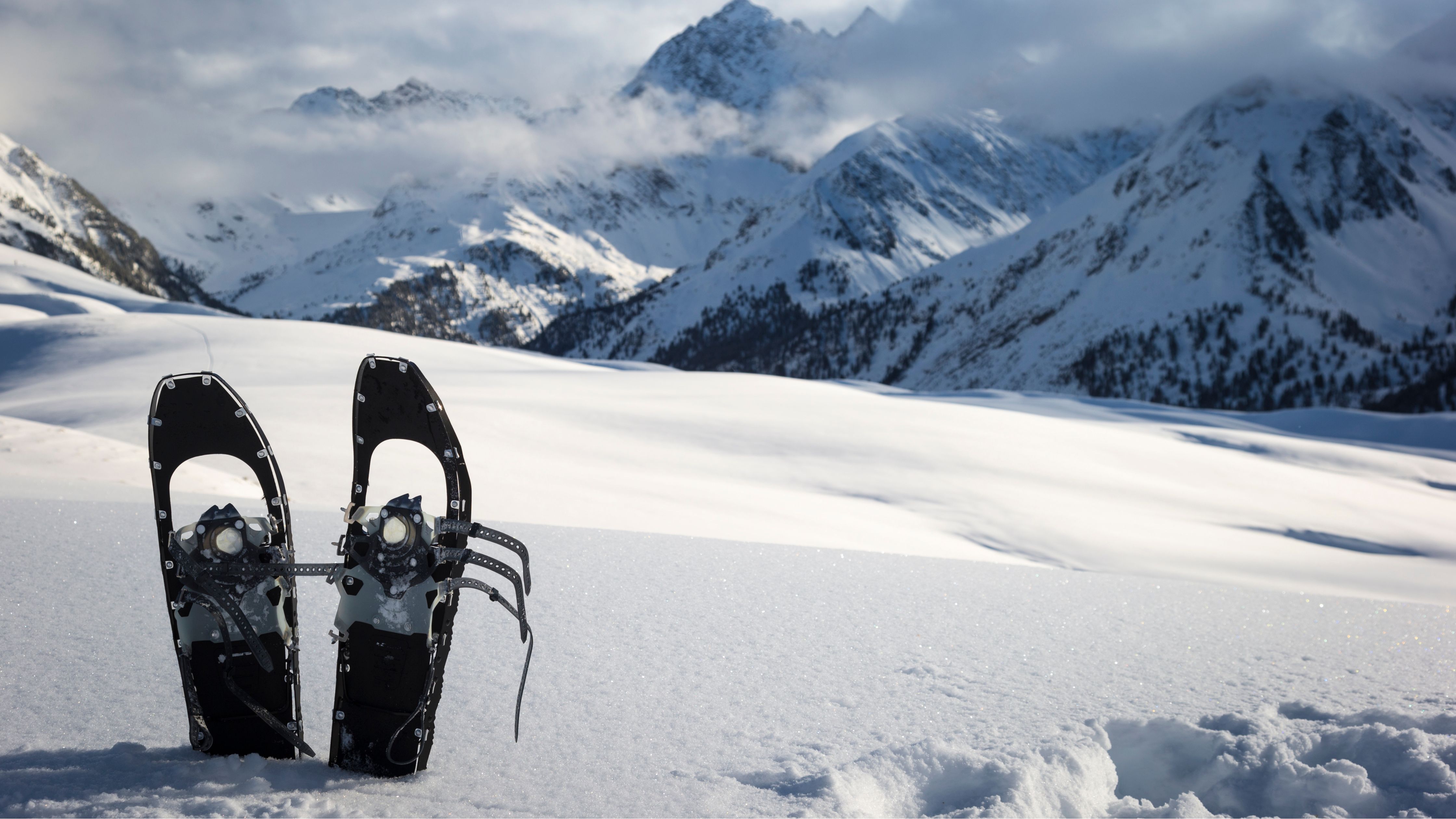
Snowshoes are designed to distribute your weight over a large area, preventing you from sinking into deep snow. Snowshoes are typically used for winter hiking in deep powder snow. They can also be used for snowshoeing on trails or in open terrain.
Advantages of snowshoes:
Prevent you from sinking into deep snow
Can be used on a variety of terrain
Disadvantages of snowshoes:
Can be bulky and difficult to walk in
Not necessary for most winter hiking trails
Not suitable for icy terrain
How to choose the right traction device
The best way to choose the right traction device for your winter hike is to consider the conditions you'll be hiking in. If you'll be hiking on steep, icy terrain, then crampons are the best option. If you'll be hiking on moderate to steep terrain with packed snow, then microspikes are a good choice. If you'll be hiking in deep powder snow, then snowshoes are the best option.
Here are some additional tips for choosing the right traction device:
If you're not sure which type of traction device you need, ask a salesperson at a local outdoor gear store for advice.
Consider your experience level and physical fitness when choosing a traction device. If you're new to winter hiking, it's best to start with microspikes.
Read reviews of different traction devices before you buy one.
No matter what type of traction device you choose, be sure to practice using it before you go on a hike. This will help you get comfortable using it and learn how to put it on and take it off quickly and easily.